
Laboratory Exercises to Accompany Chapters 4-6
These demonstrations and laboratory exercises illustrate concepts described in Electromagnetic Compatibility Course Notes.
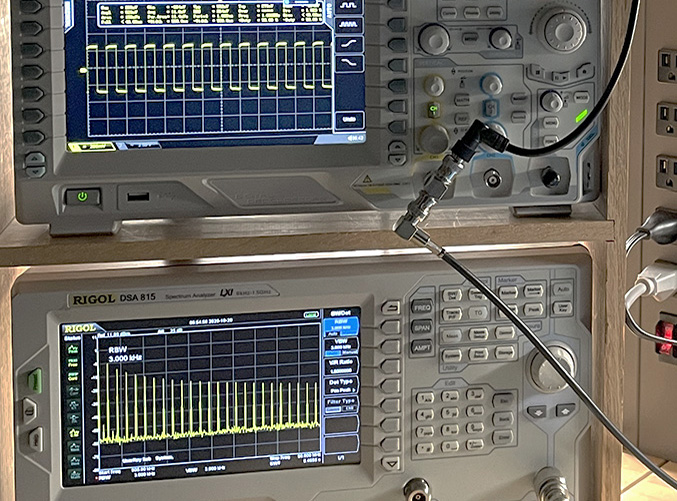
Chapter 4: Spectrum Analyzer Measurements
This exercise gives students an opportunity to explore signal behavior in the time and frequency domains. It also helps them to understand how the displayed signal is affected by various spectrum analyzer settings.
Laboratory Exercise 10: Time and Frequency Domain Measurements
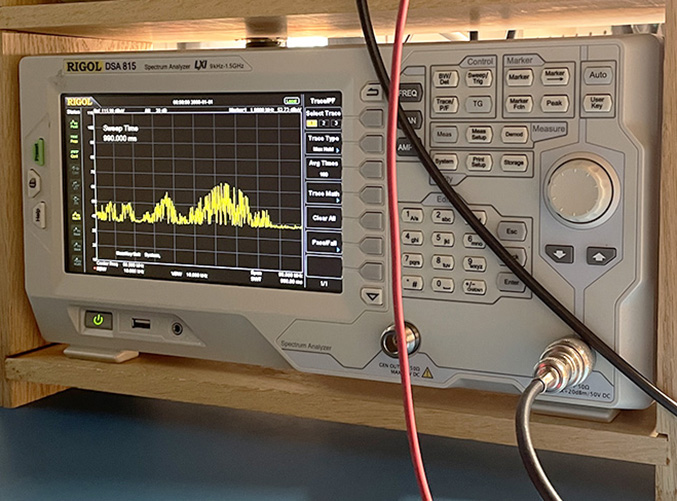
Chapter 4: Spectrum Analyzer Measurements of Impulsive Noise
This exercise demonstrates how impulsive noise and transients affect spectrum analyzer measurements.
Laboratory Exercise 11: Spectrum Analyzer Measurements of Impulses
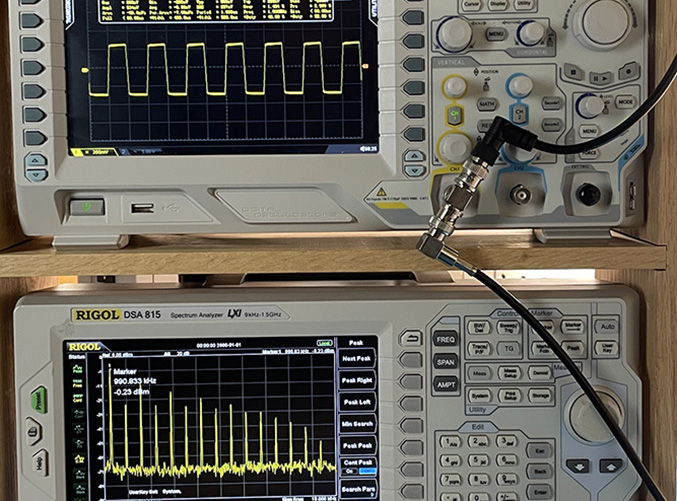
Chapter 4: Measuring Harmonics of a Trapezoidal Waveform
The trapezoidal waveform plays a very important role in modeling the behavior of digital signals. It's important for EMC and signal integrity engineers to be well-acquainted with these waveforms in both the time and frequency domains.
Laboratory Exercise 12: Harmonics of a Trapezoidal Waveform
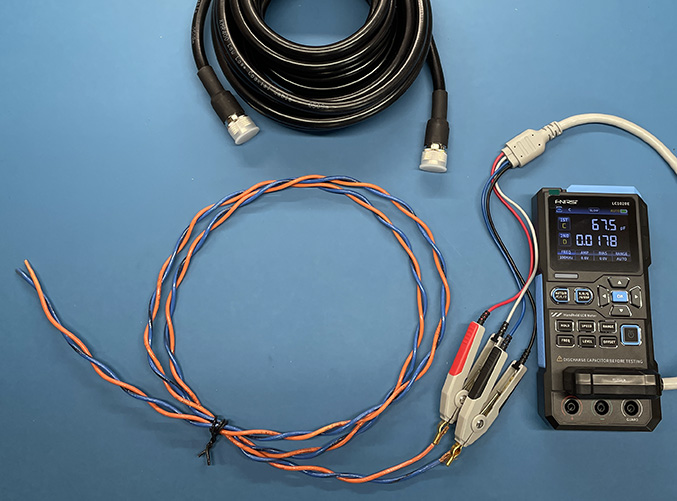
Chapter 5: Measuring Characteristic Impedance and Propagation Velocity (Method 1)
The characteristic impedance and propagation velocity of a transmission line can be determined from measurements of the capacitance and inductance per unit length.
Laboratory Exercise 13-1: Measuring Characteristic Impedance and Propagation Velocity (Method 1)
Chapter 5: Measuring Characteristic Impedance and Propagation Velocity (Method 2)
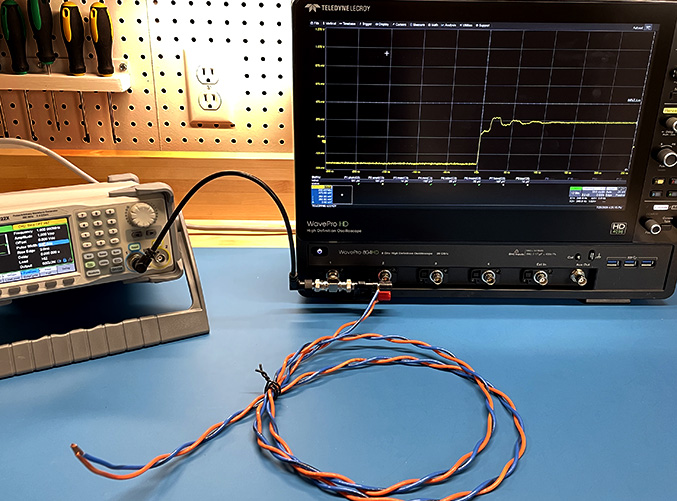
The characteristic impedance and propagation velocity of a transmission line can be determined from the step response measured at the transmission line's input.
Laboratory Exercise 13-2: Measuring Characteristic Impedance and Propagation Velocity (Method 2)
Chapter 6: Measuring Frequency-Domain Crosstalk between Microstrip Traces
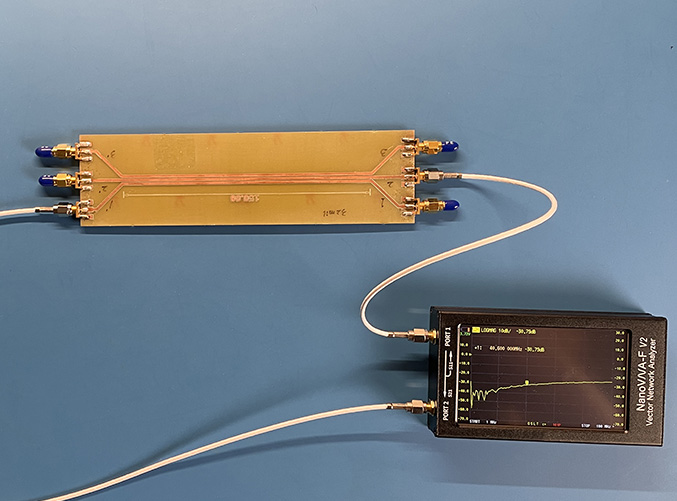
This exercise demonstrates how to make measurements of the near-end and far-end crosstalk between microstrip circuit board traces in the frequency domain.
Laboratory Exercise 14-1: Measuring Crosstalk Between Microstrip Traces
Chapter 6: Measuring Time-Domain Crosstalk between Microstrip Traces
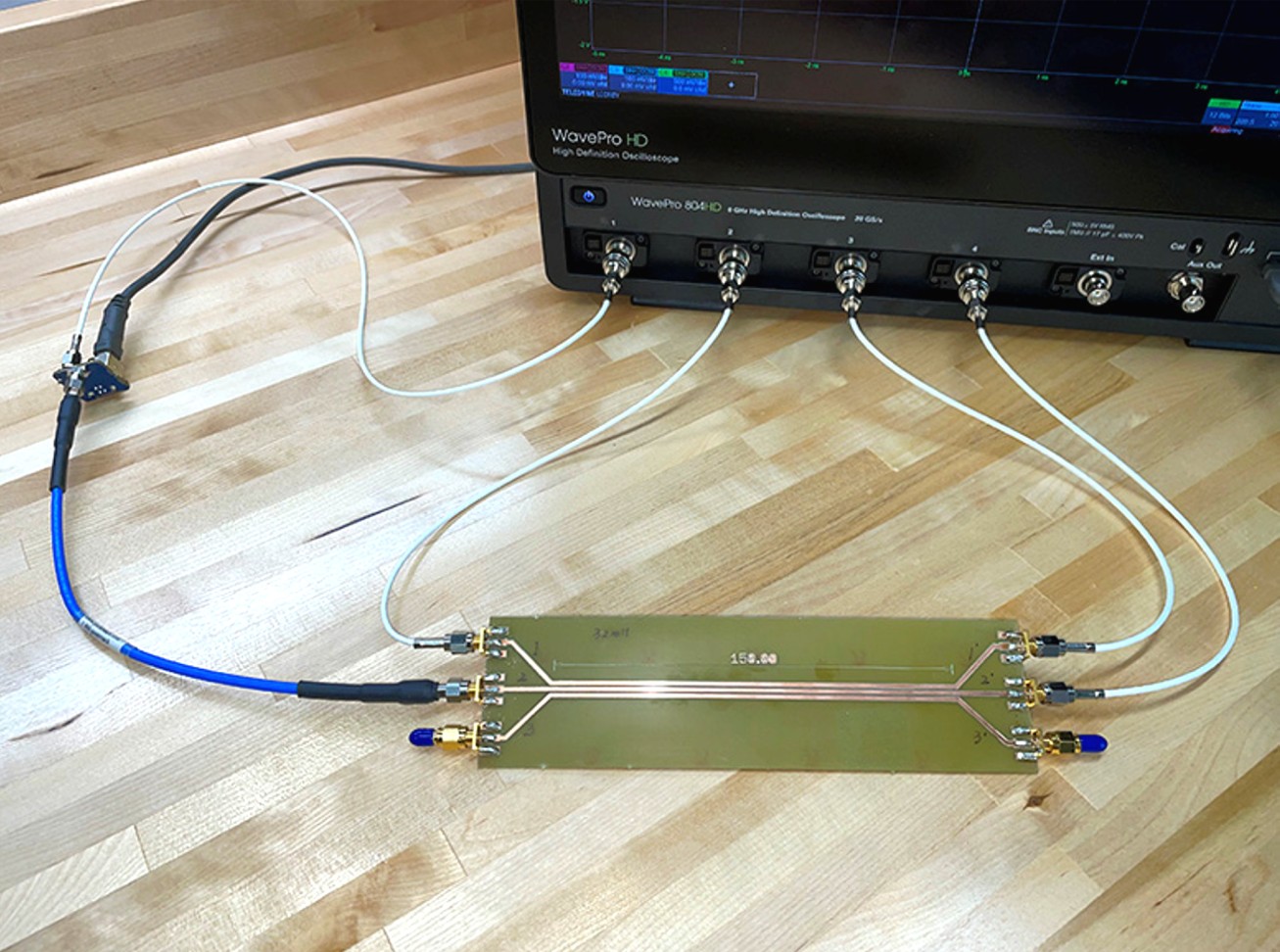
This exercise demonstrates how to make measurements of the near-end and far-end crosstalk between microstrip circuit board traces in the time domain.
Laboratory Exercise 14-2: Measuring Time-Domain Crosstalk Between Microstrip Traces
Chapter 6: Measuring Crosstalk in a Cable Harness
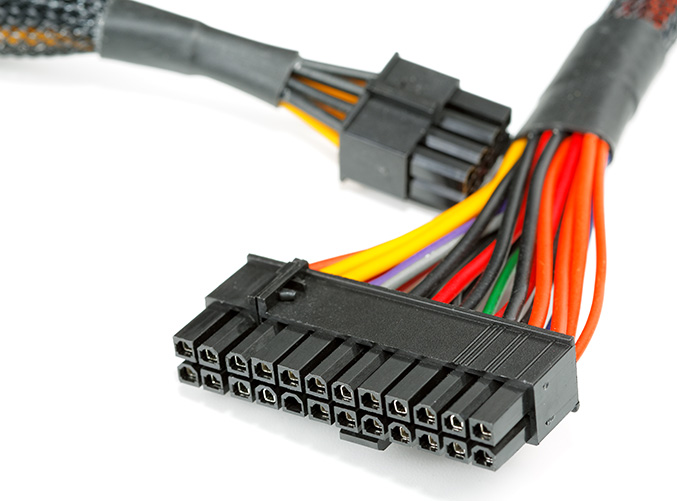
This exercise demonstrates how to make measurements of the near-end and far-end crosstalk between signal conductors in a wire harness.
Laboratory Exercise 15: Measuring Crosstalk in a Cable Harness