Mastering EMC One Level at a Time
LEVEL 1
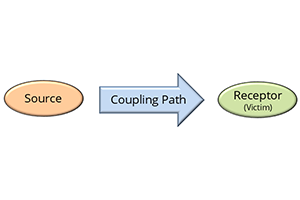
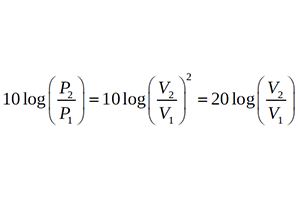
So, you want to know more about electromagnetic compatibility, but you're not sure where to start. Perhaps a good way to get started is to become familiar with the basic terminology and methods commonly used to describe and diagnose EMC problems. The three articles below introduce some historical background and key concepts that all EMC engineers should be familiar with.
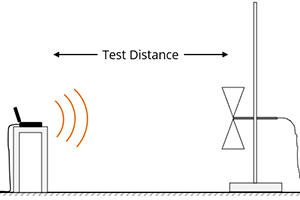
Here are a couple of laboratory exercises you can complete that will help you get familiar with electromagnetic compatibility measurements.
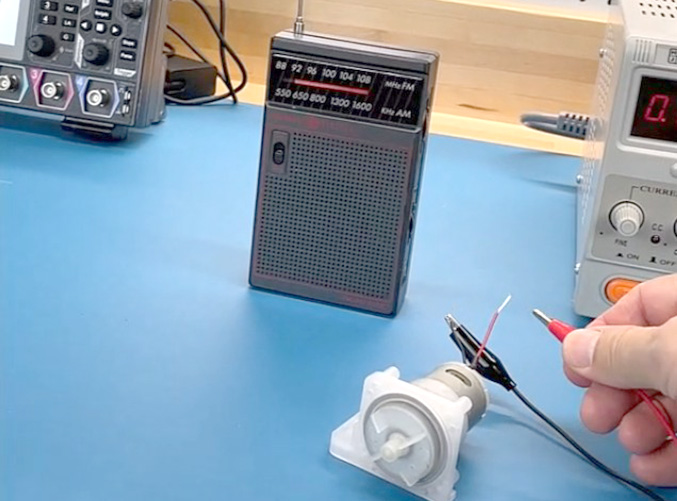
Lab Exercise 1: Examples of Electromagnetic Interference
It’s generally a good idea to bring something into the classroom that demonstrates various forms of electromagnetic interference. This could take many forms, but here are common examples using readily available components.
Laboratory Exercise 01: Examples of Electromagnetic Interference
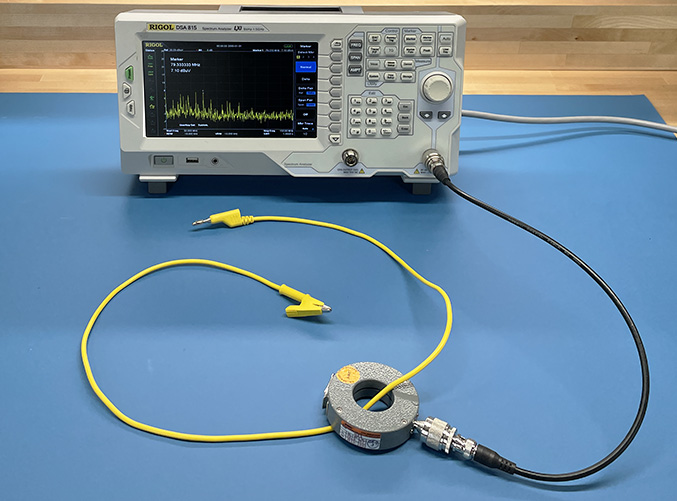
Lab Exercise 2: Ambient Signal and Noise Measurements
A spectrum analyzer can be used to demonstrate that electromagnetic noise is everywhere.
Laboratory Exercise 02: Ambient Signal and Noise Measurements
A word of caution: Be very skeptical of the EMC design advice you find in application notes, PCB vendor websites, and LinkedIn. Much of this is misinformation aimed at people who are new to EMC and trying to learn more (such as yourself). For more on that topic, see Dr. Hubing's blog post The EMC Blog - Social Media.
Also, beware of these infamous EMC Design Myths and Bad EMC Design Advice.
Once you've mastered these essential engineering fundamentals, you're ready to move to the next level.