
EMC Question of the Week: January 12, 2026
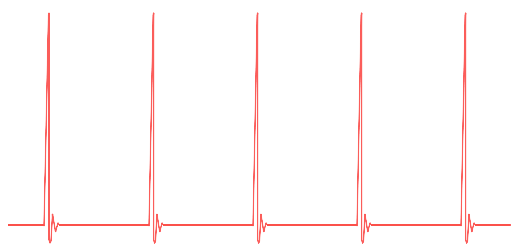
A noise source generates narrow impulses that appear at a constant repetition rate. For measurements in the frequency range from 30 to 1000 MHz with a 120-kHz resolution bandwidth, which of these repetition rates are likely to produce quasi-peak emissions that are more than 3 dB lower than the peak emissions?
- 20 kHz
- 2 MHz
- both of the above
- none of the above
Answer
The best answer is “d.” This question is similar to last week's question, but compares the quasi-peak emissions (not average emissions) to the peak emissions. Last week's answer described how the average emissions from the 20 kHz pulses were much lower than the peak emissions. In that case, the average power detected was well below the peak detected during a single impulse.
Quasi-peak detectors are also designed to provide a lower reading when the detected signal consists of infrequent impulses. Quasi-peak detectors provide a weighted average of the detected power. For impulses with a 100 Hz repetition rate (i.e., every 10 ms), we can expect the quasi-peak level to be about 12 dB below the peak level. However, the difference in the two measurements decreases as the repetition rate increases. At 10 kHz and higher, the difference is about 2 dB or less.
Have a comment or question regarding this solution? We'd like to hear from you. Email us at