
EMC Question of the Week: November 25, 2019
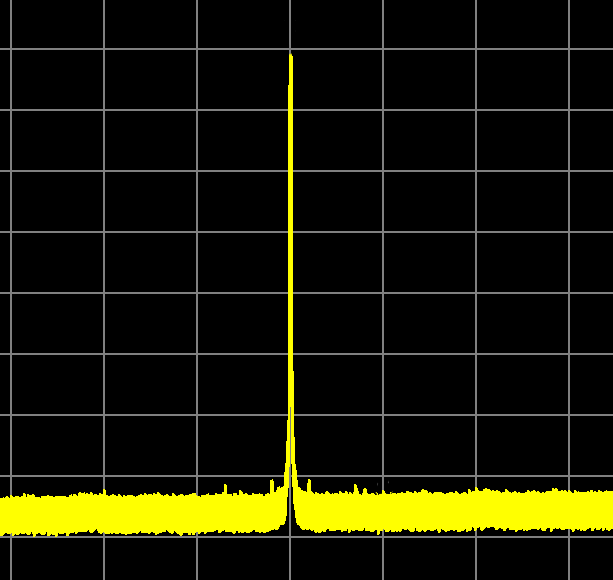
If a pre-amplifier is used to pull a signal up out of the noise floor of a spectrum analyzer, it is important that the pre-amplifier
- is shielded
- is cooler than the spectrum analyzer
- has a lower noise figure than the spectrum analyzer
- has a higher noise figure than the spectrum analyzer
Answer
The best answer is "c". The noise figure of a two-port linear component is the signal-to-noise ratio at the input divided by the signal-to-noise ratio at the output expressed in decibels. An ideal amplifier (one that adds no noise) would have a noise figure of 0 dB. Attenuators at standard temperature have a noise figure equal to their attenuation expressed in dB.
For a chain of components, the first link in the chain usually has the most significant effect on the total noise figure because the noise figures of the following links are reduced by any gains in the previous links. Consequently, the first amplifier that a signal encounters needs to have a low noise figure.
Since thermal noise is proportional to bandwidth, it's possible to find relatively inexpensive pre-amplifiers that operate in specific frequency bands that have lower noise figures than spectrum analyzers or EMI test receivers. Another benefit of using inexpensive pre-amplifers is that they can help protect the input of the measurement device. If a transient over-voltage condition occurs, it is usually much better to blow out your pre-amplifier than to risk damaging the input of an expensive EMI test receiver.
Have a comment or question regarding this solution? We'd like to hear from you. Email us at